Breakfast: Should You Eat It and What Should You Choose?

Author: Irina Tamme / Nutritionist / Lecturer in Nutrition and Health
Breakfast is a meal whose importance is widely discussed, yet it is just as often skipped — due to morning rush, lack of appetite, or simply habit. Nevertheless, the morning meal plays a significant role in our energy levels, mood, and overall health. In this post, I explain why breakfast is worth eating, how to turn it into a habit, and which choices help you start the day feeling energized and balanced.
Why Is Breakfast Important?
During the night, we do not eat, and the body remains in a fasting state for several hours. In the morning, the body needs fuel to stabilize blood sugar levels, activate metabolism, support brain function, and prepare for daily activity. Skipping breakfast often increases fatigue and concentration problems, leads to irritability, and may result in overeating later in the day. Many people experience extreme hunger at lunchtime or strong cravings for sweets — often because they skipped breakfast and blood sugar levels dropped too low.
Breakfast signals to the body that the day has begun. Digestion, hormonal regulation, and energy utilization are activated. Eating breakfast regularly may help maintain or even reduce body weight (if that is the goal), as blood sugar fluctuations decrease and later overeating becomes less likely. It is worth remembering that the body needs energy regardless — and it is far more beneficial to consume it during the day, when we are active, rather than late in the evening, when the body should be resting.
What If You Have No Appetite in the Morning?
Morning loss of appetite is very common and is often linked to eating habits the night before. Eating too late or having a heavy dinner directly affects morning hunger. At night, the digestive system naturally slows down, but late or heavy meals force the stomach and intestines to continue working long after falling asleep. As a result, the stomach may not be fully emptied by morning, leaving a feeling of fullness and reduced appetite.
Hormonal balance is also affected: the hunger hormone ghrelin does not rise because the body senses sufficient energy reserves, while the satiety hormone leptin remains elevated. Blood sugar and insulin levels may still fluctuate. Late meals can also disrupt sleep, which further affects appetite-regulating hormones, causing morning discomfort, lack of hunger, and stronger cravings for sugary and fatty foods later in the day. In short, the body does not get a proper “recovery break” overnight, and the natural morning hunger signal fails to activate.
How to Restore Morning Appetite:
- Move dinner to an earlier time — allow 3–4 hours between dinner and bedtime
- Reduce dinner portions — aim for a lighter evening meal than breakfast or lunch
- Choose lighter evening meals — such as soup, salad, or a protein source (meat, fish, cottage cheese) with vegetables
How to Get Used to Eating Breakfast?
Ideally, breakfast should be eaten within 1–2 hours after waking. This helps prevent blood sugar from dropping too low and keeps energy levels stable. If you wake up very early or feel no appetite at all, even a small bite is a good start — the key is to provide the body with some energy and activate digestion. A more substantial breakfast can be eaten later.
If breakfast has not been a natural habit for you, start small. Building a habit does not mean eating a full portion right away.
You can begin with:
- a few spoonfuls of Greek yogurt or plain cottage cheese with berries
- a small portion of porridge with peanut butter and seeds
- a small handful of nuts and a piece of fruit
- a boiled egg and half a slice of bread or some fruit
- half a sandwich made with whole-grain bread, ham, and cheese
Over time, your body will adapt, and morning appetite will increase naturally. You can then gradually increase portions and create more complete breakfasts, including vegetables.
Does Porridge “Go Straight to Belly Fat”?
Some time ago, a claim circulated in Estonia suggesting that porridge “goes straight to belly fat.” In reality, the problem is not porridge itself. Most likely, the claim referred to unbalanced porridge with jam. A carbohydrate-heavy porridge (for example, cooked in water and served with sugary jam) without sufficient fiber, protein, and fat can indeed cause a rapid rise and fall in blood sugar levels, leading to hunger and overeating later.
If you enjoy porridge, it is important to balance it properly and choose fiber-rich grains. A balanced porridge should include:
- slow-digesting carbohydrates — whole-grain oats, buckwheat, quinoa
- protein — cottage cheese, Greek yogurt, eggs, or natural protein powder
- fats — nuts, seeds, peanut butter, butter, or olive oil
- fiber — berries, seeds, whole grains
Such a porridge does not cause sharp blood sugar fluctuations and keeps you full for longer. A balanced porridge does not contribute to fat gain.
What to Eat for Breakfast?
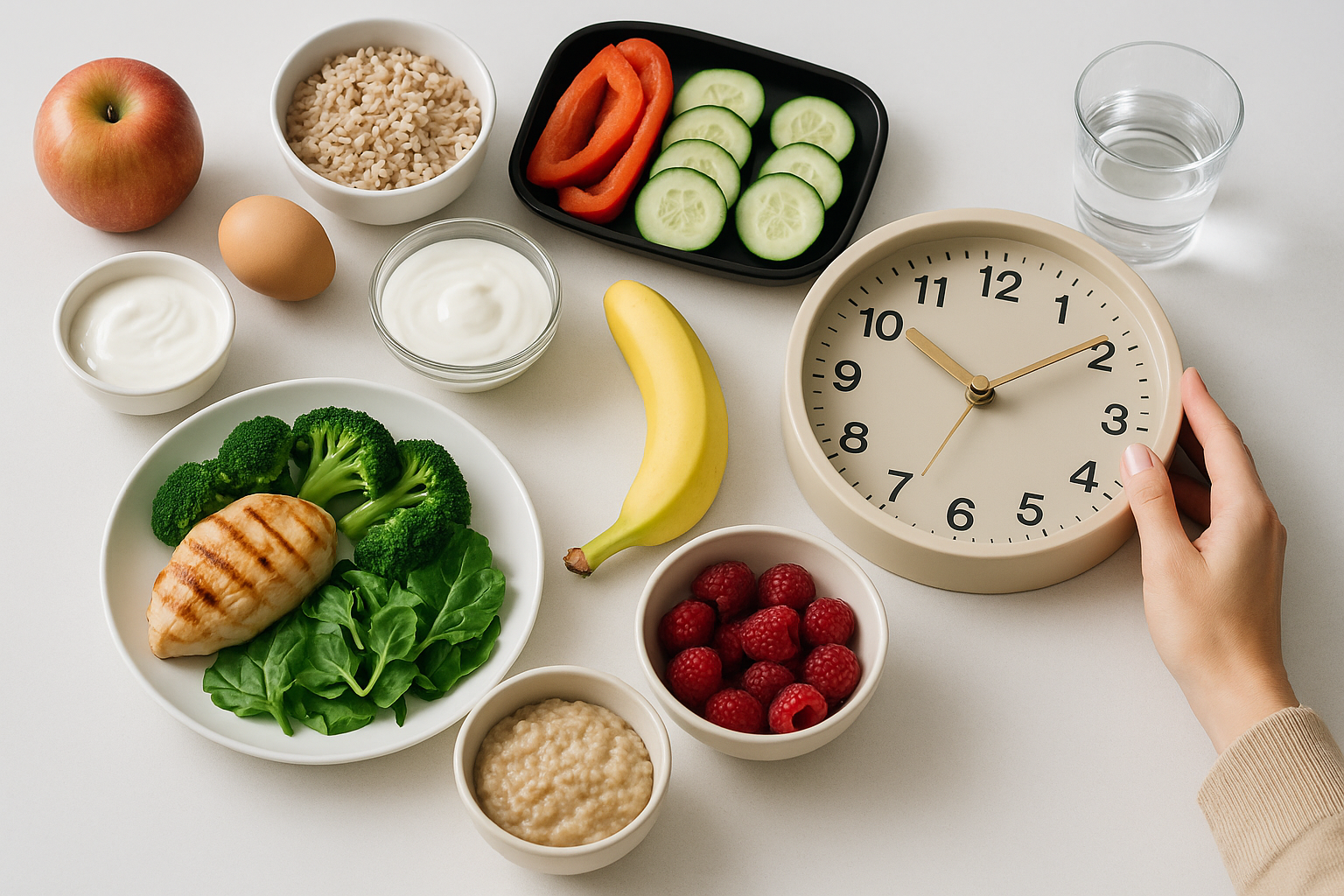
As seen above, a good breakfast is balanced — it includes carbohydrates, protein, fats, and fiber. You can be creative and assemble breakfasts according to your preferences using:
- protein sources — eggs, Greek yogurt, cottage cheese, ham, curd cheese, baked meat, hummus, fish, tofu, tempeh, low-fat cheese
- fiber and slow-digesting carbohydrates — whole-grain bread and pastries, whole-grain cereals, granola without added sugar, fruits, berries
- fat sources — avocado, nuts, seeds, olive oil, butter, fatty fish, cheese
Good options include whole-grain oatmeal with Greek yogurt, berries, and chia seeds; a whole-grain sandwich with hummus and chicken or avocado and egg plus vegetables; or an omelet with broccoli and salmon. Do not forget hydration — start your day with a glass of water.
When There Is No Time to Cook in the Morning
Not every breakfast needs to be slow or beautifully plated. With a busy schedule, quick solutions are perfectly acceptable, and you can enjoy cooking on weekends instead. If mornings are very rushed, prepare breakfast the night before.
Good make-ahead options include:
- overnight oats — mix oats with yogurt or milk, berries or fruit, and seeds in a jar
- egg muffins — bake eggs with vegetables in muffin tins and store in the fridge
- sandwiches — whole-grain bread with protein and fat sources (e.g., ham and cheese or hummus and chicken) plus vegetables
- boiled eggs and fruit
There are also many breakfasts that take just a few minutes:
- yogurt + berries + nuts
- fruit + nuts or a boiled egg (prepared in advance)
- whole-grain roll with gravlax
- rye bread with cottage or cream cheese

Breakfast Is an Investment in Your Well-Being
Breakfast is not just a meal — it is a habit that strongly influences your well-being. A balanced breakfast supports stable energy levels, concentration, and healthy weight management. If you lack appetite in the morning, review your dinner timing and start with small portions. The key is to focus on solutions and find suitable options even with the busiest schedule — by choosing the right foods and planning ahead. Breakfast does not need to be complicated or perfect, but it should be consistent, balanced, and supportive of your health.