7 Tips on How Not to Overeat During the Holidays and Maintain a Good Sense of Well-Being

Author: Irina Tamme / Nutritionist / Lecturer in Nutrition and Health
Christmas is a time when food plays a major role, and the holidays are associated with many traditional dishes such as blood sausages, sauerkraut, roast pork, aspic, and gingerbread. You definitely don’t need to fear these or eliminate them from your menu, because they are part of the Christmas tradition — food is a part of culture. However, it is worth considering how to balance these often rich holiday meals with lighter options that support digestion and help you end the day feeling pleasantly light. Often, no major changes are needed — just a slightly more mindful approach. And that’s exactly what this post is about.
1. Focus on how you feel
Many people mentally prepare for a “holiday feast” long before Christmas, which creates tension and stress. Instead of thinking about what to put on the table and what to eat, try focusing on your well-being and aim to feel good throughout the holidays. Remember that food won’t disappear after the holidays — instead of eating until you’re stuffed, you can always save some for the next days. Rather than battling overeating and heaviness, listen to your body and stop when it signals that you’ve had enough.
2. Don’t skip meals during the day
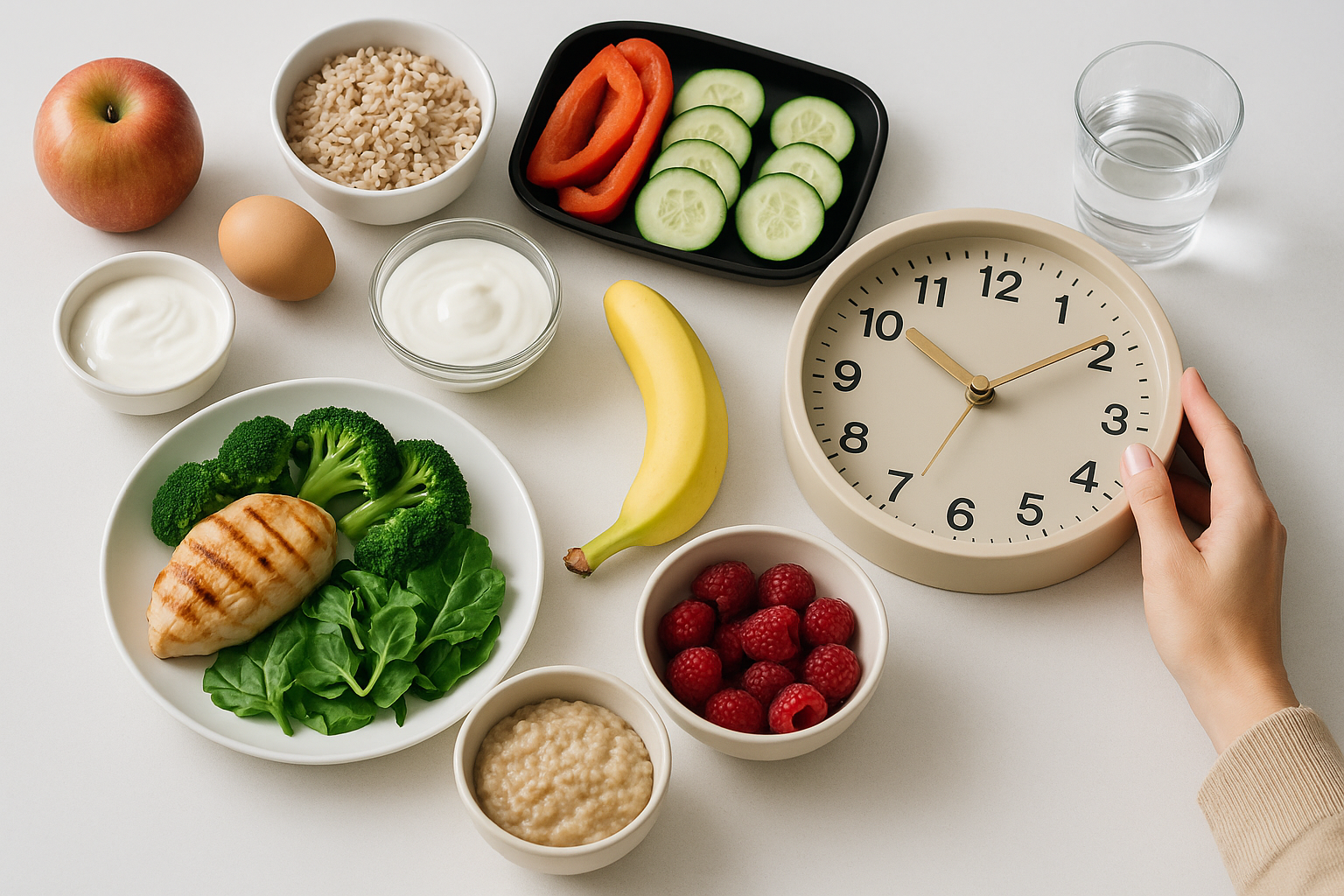
A common mistake is “saving your appetite” for the evening feast. But this can do more harm than good. A long break between meals increases the risk of blood sugar fluctuations, and by the time you sit at the table, you’re so hungry that you fill your plate too quickly, paying little attention to flavors — often ending up overeating.
To avoid this, eat regularly throughout the day: a nourishing breakfast, a balanced lunch, and, if needed, a light snack. When you’ve eaten consistently, you won’t feel excessive hunger by evening, you’ll make more balanced choices, and you won’t feel the urge to “eat everything at once.”
3. Drink enough water — don’t confuse thirst with hunger
Thirst is often mistaken for hunger. Drink water mindfully during the day so you don’t become dehydrated by evening. Make sure water is available at the holiday table too. If you plan to drink alcohol or sugary beverages, remember to alternate them with water. To make plain water more appealing, add citrus slices, cranberries, mint, or cucumber.
4. Get enough sleep
During the holidays, days are often long and people go to bed late — resulting in shorter sleep. Unfortunately, lack of sleep affects the hormones (ghrelin and leptin) that regulate appetite. Poor sleep increases cravings for sweet and fatty foods and disrupts the satiety hormone, which should signal when you’re full. Even during the holidays, try not to compromise on sleep — 7–8 hours of rest will help you make better food choices and avoid overeating.
5. Stay active
The holidays are for slowing down, but that doesn’t mean abandoning physical activity entirely. You don’t have to go to the gym — there are many other ways to stay active. Even a gentle walk before or after dinner supports digestion and blood sugar regulation. If it’s snowy, have a snowball fight or go sledding with your family. If the weather is bad, do some stretching exercises at home. Movement increases daily energy expenditure, reduces cravings, and improves your overall well-being.
6. Make lighter choices
Traditional dishes are part of the holidays, but you can always adjust your menu with lighter options.
- Add a variety of vegetable dishes to your holiday meals — cabbage, roasted vegetables, salads, appetizers. Vegetables are rich in fiber and add volume, helping you feel full. Start your meals with them.
- Find an alternative to fatty pork — fish, turkey, chicken, or plant-based protein sources are filling but won’t cause heaviness. If you still love pork, choose a leaner cut, such as tenderloin.
- Enjoy your traditional favorites in smaller portions — there’s no need to give them up, simply savor them slowly and mindfully.
- Don’t go overboard with sweets — the table doesn’t need a mountain of desserts. Choose one or two favorites and enjoy them in moderation at the end of the meal.
It’s also important to listen to your body: if you feel full, you don’t need to finish what’s on your plate. You can always get more later — and there’s always tomorrow.

Plan fun activities
Overeating often happens because everything revolves around the table and there’s nothing else to do but eat. But it doesn’t have to be this way. Plan fun activities with your loved ones — play board games or other group games, organize a quiz, build a snowman, or create something together. These moments create cherished holiday memories and don’t depend on how many dishes were on the table or how much anyone ate. Food is important — but it is not the only part of the holidays!